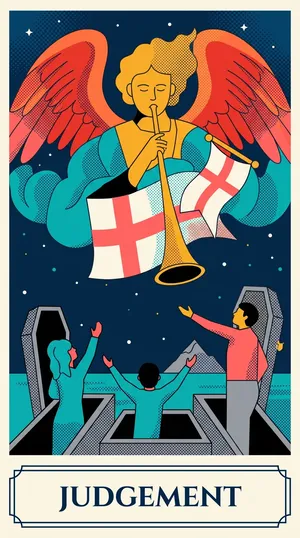
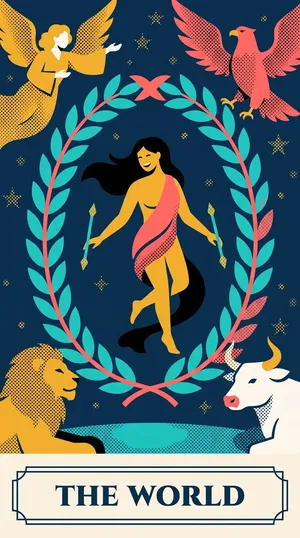
How to use this list
There are two sensible ways in. If you have drawn a card somewhere and want to know what it means, find it above and open it — the card page leads with the upright meaning and keeps the reversed reading directly underneath, so you are not scrolling past love and career advice to find the basics.
If you are learning the deck rather than looking something up, resist reading all 22 in one sitting. The meanings blur together, and by The Star you will have forgotten The Emperor. A card a day, drawn at random or taken in order, sticks far better than an afternoon of study.
The keywords under each card are deliberately short. They are a prompt, not a definition — enough to recognise the card, not enough to substitute for reading it in context.
One habit worth forming early: read the card before you read about the card. Look at the artwork, notice what the figure is doing and what the scene makes you feel, and only then check the written meaning. Readings built that way hold together far better than readings assembled from remembered keywords, and the gap between your reaction and the book is usually where the useful part of a reading lives.
How the 22 cards fit together
The Major Arcana are usually read as a sequence rather than a set, and the traditional framing is the Fool’s Journey: card zero walks through the other twenty-one and comes out changed. You do not need to believe in the structure to find it useful, because it explains why certain cards feel like neighbours.
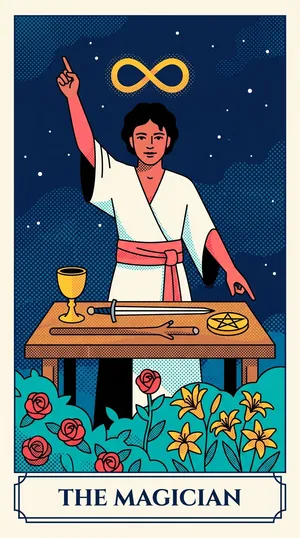
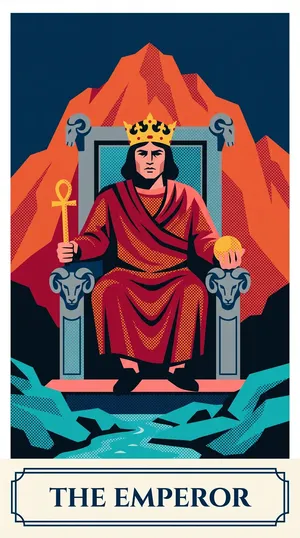
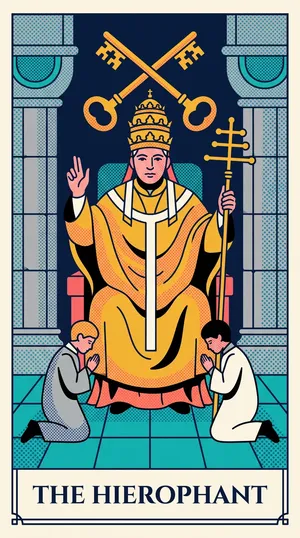
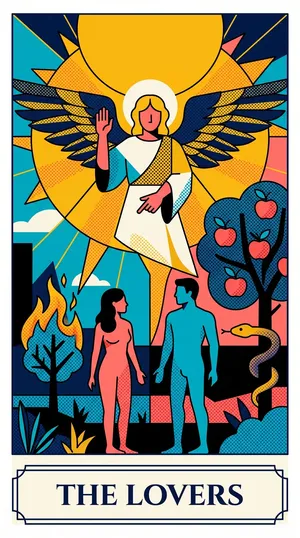
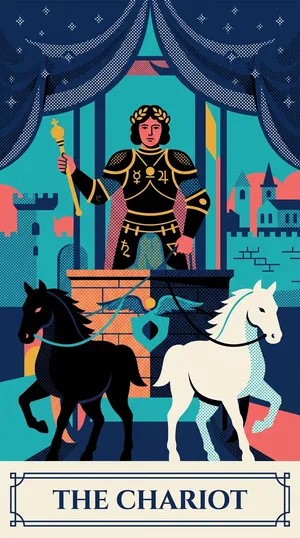
The first stretch, from The Magician to The Chariot, is about finding your footing in the world: skill, intuition, nurture, authority, tradition, partnership and drive. These are the cards of building a life out of what you were given — and they read most literally, which is why beginners tend to get on with them quickly.
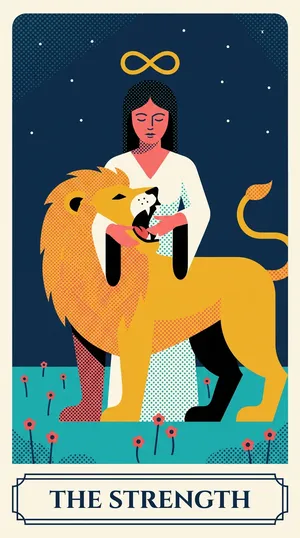
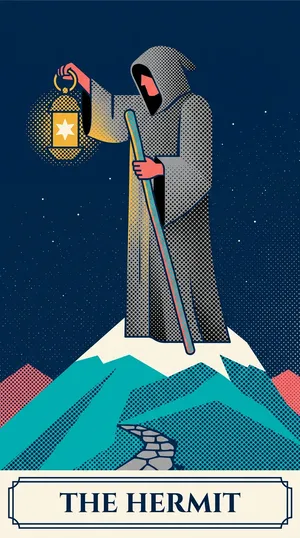
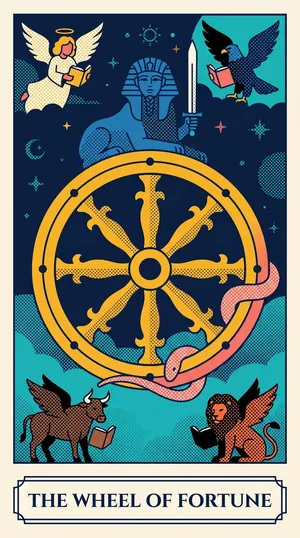
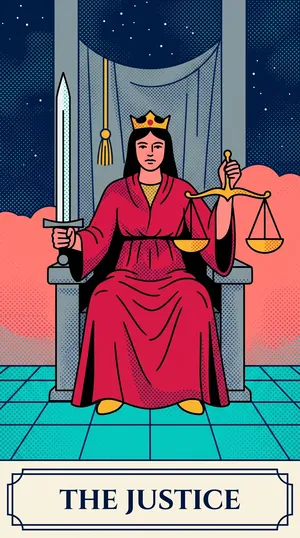
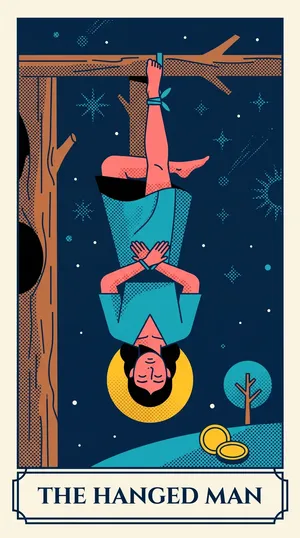
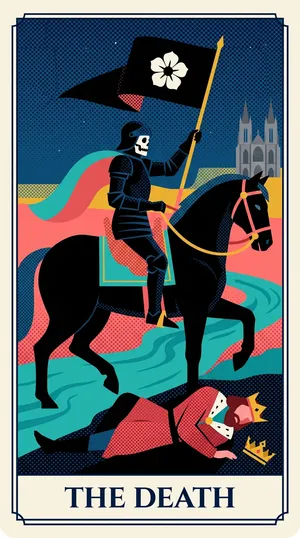
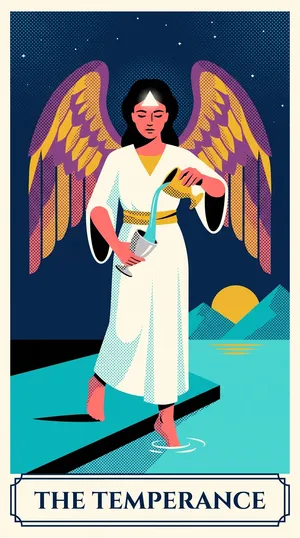
The middle stretch, from Strength to Temperance, turns inward. Patience, solitude, luck, fairness, surrender, endings and balance: these cards are less about what you are doing and more about what doing it is making of you. This is where most readers find the deck gets interesting and considerably less comfortable.
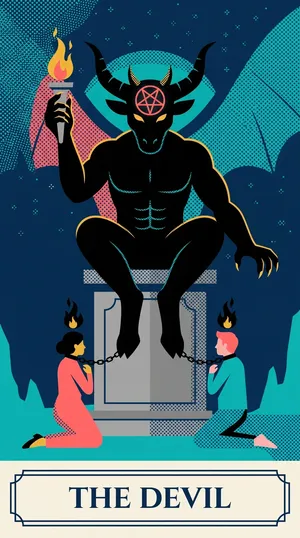
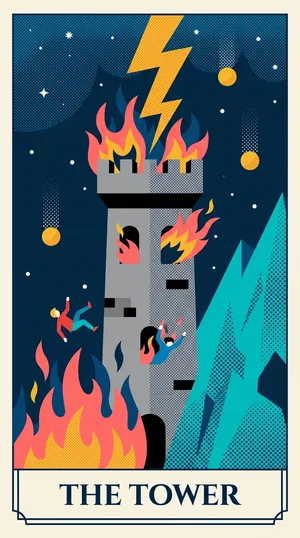
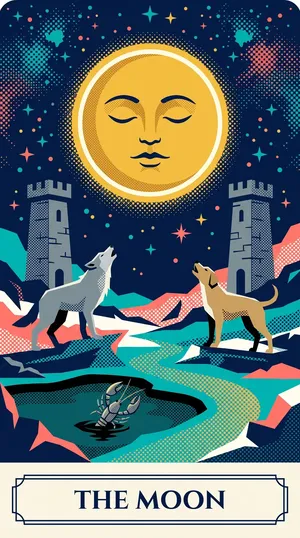
The last stretch, from The Devil to The World, is the loud one: attachment, collapse, hope, confusion, clarity, reckoning and completion. Read in order it is almost a story about losing a structure and building a truer one, which is why The Tower sits where it does rather than at the end.
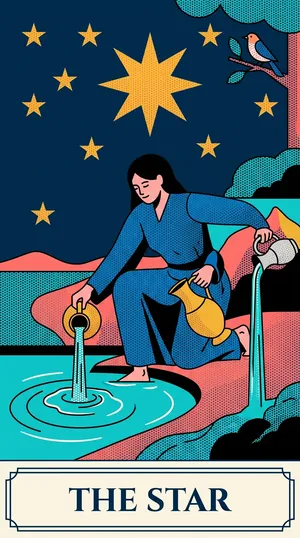
The practical use of all this is context. A card drawn on its own means more when you know what it sits between: The Devil reads differently when you remember that The Tower follows it, and The Star lands differently when you notice it arrives immediately after the wreckage. You are not obliged to read the deck as a narrative, but knowing the order gives you a second opinion whenever a single card feels ambiguous.
Why this deck is Major Arcana only
A full tarot deck runs to 78 cards: these 22 trumps plus 56 Minor Arcana split across cups, wands, swords and pentacles. The Minor Arcana handle the texture of daily life — a difficult conversation, a bill, a small win — while the Major Arcana handle the weather systems behind them.
For a single-card draw, the trumps do more work. Pull the Four of Pentacles on its own and you get a shrug; pull The Tower and you have something to think about all day. That is the trade this deck makes: fewer cards, each of them legible on its own.
It also means a one-in-22 chance per draw rather than one in 78, so cards repeat noticeably often. That is worth knowing before you read anything into drawing the same card twice in a week.
What the card numbers mean
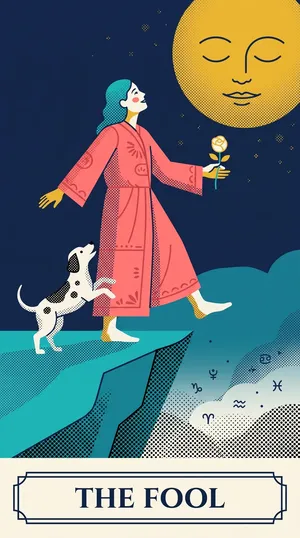
The Major Arcana are numbered 0 to 21, and the numbering is part of the meaning rather than a filing system. The Fool takes zero because zero is not a position in the sequence — the card stands outside the journey it is about to walk into, which is why it reads as potential rather than achievement.
One quirk worth knowing if you read elsewhere: this deck places Strength at eight and Justice at eleven, following the Rider-Waite-Smith order. Older Marseille decks swap them, putting Justice at eight and Strength at eleven. Neither is wrong, and nothing about a card’s meaning changes — but it does mean a book and a deck can disagree about which card is “the eighth”.
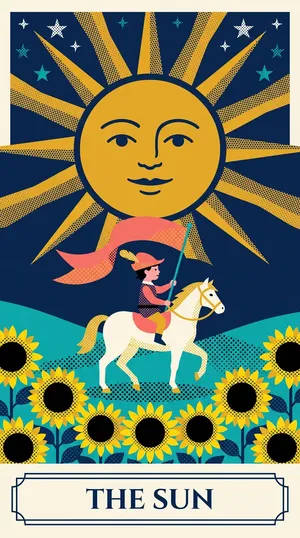
Readers who use numerology pair cards that reduce to the same digit: The Magician at one, The Wheel of Fortune at ten and The Sun at nineteen all reduce to one, and read as a progression from personal will, through circumstance, to something shared and visible. You do not have to work this way, but it is a useful memory aid while the deck is still unfamiliar.
Questions about the Major Arcana
- How many Major Arcana cards are there?
- Twenty-two, numbered 0 through 21. They make up the trump suit of a 78-card tarot deck, with the remaining 56 cards split across the four Minor Arcana suits.
- Which Major Arcana card is the most powerful?
- None of them outrank the others in a reading. The World is often called the culmination of the sequence because it closes the journey, and The Fool is arguably the most important card precisely because it stands outside the ranking — but a card’s weight comes from its position and the question, not from its number.
- Is Death a bad card to draw?
- No, and it almost never refers to literal death. It marks an ending that clears space — a job, a habit, a version of yourself. Readers tend to find it one of the more useful cards, because it names something you have usually already noticed.
- Do I need all 78 cards to read tarot?
- Not to start. Major Arcana-only readings are a long-standing practice and suit single-card draws particularly well, because every card carries a theme big enough to stand alone. The Minor Arcana add day-to-day detail once the trumps feel familiar.
Upright and reversed
Each card page covers both orientations. A reversal does not flip a card into its evil twin — it shifts the same theme into a different register: blocked, internalised, overdone, or on its way out. If you want the short version for all 22 at once, the reversed meanings summary puts the upright and reversed keywords side by side.
Where to start if you are new
Start with one card a day rather than a spread. The card of the day gives everyone the same card until midnight UTC, which makes it a good discipline: you cannot re-roll your way to a card you like better.
When one card stops feeling like enough, the three card spread is the natural next step, because it adds relationship between cards without adding much complexity. And for a question that genuinely has two possible answers, the yes or no draw is the bluntest tool here.
Whatever you start with, give it a few weeks before deciding whether tarot is for you. The first fortnight is mostly looking up meanings, which feels like homework; the point at which it becomes interesting is when a card arrives and you already know roughly what it is about, so your attention goes to the question instead of the glossary. Twenty-two cards is a small enough deck to reach that point quickly.